Her Story
Madeleine “Maddy” Hargett
A Tiny Fighter
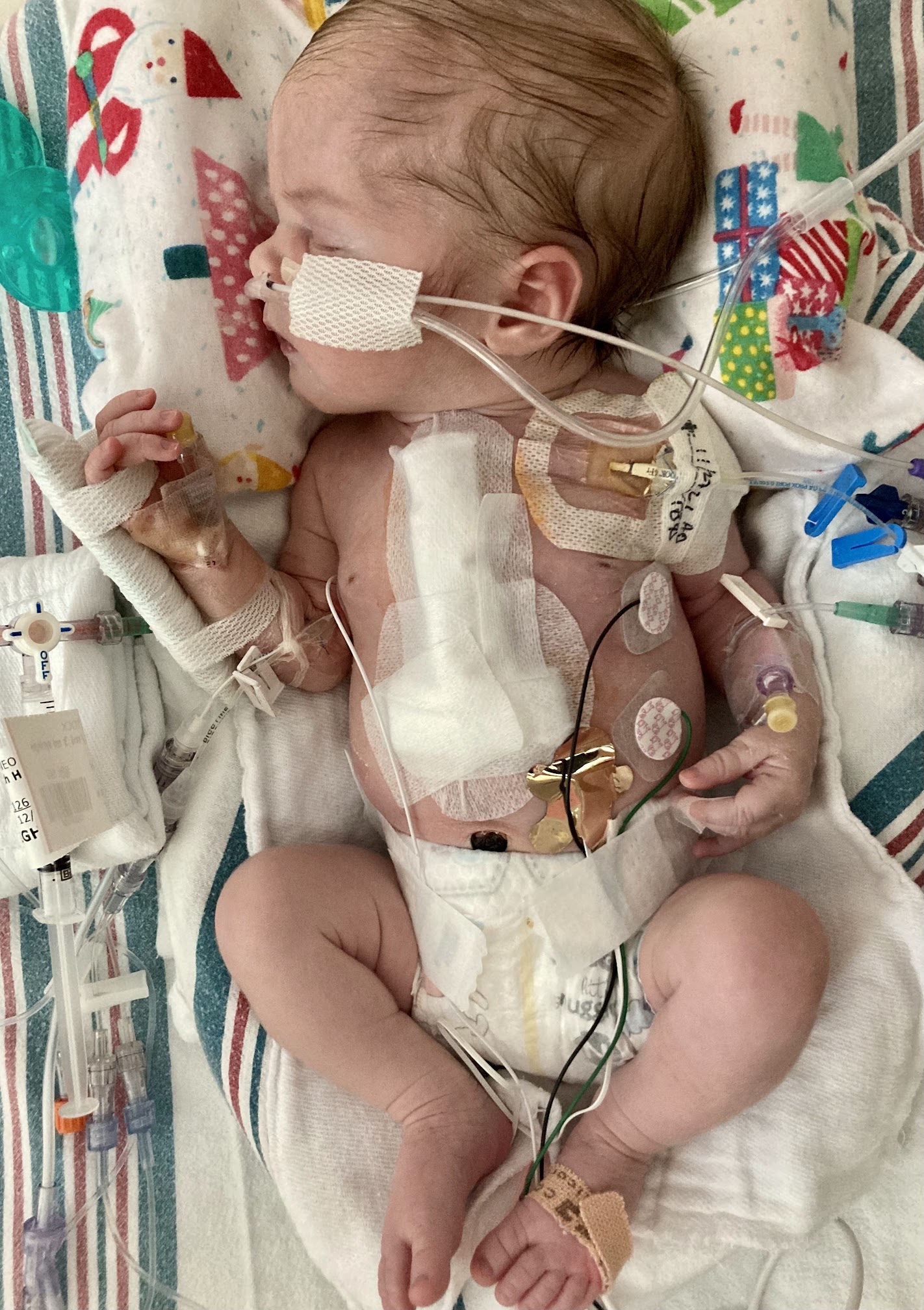
Madeleine “Maddy” Hargett entered the world already facing a challenge that would shape the rest of her life. She was born with Hypoplastic Left Heart Syndrome (HLHS), a rare congenital heart defect in which the left side of the heart does not develop normally. Before her family had the opportunity to settle into the excitement of bringing home a new baby, they were learning medical terms, meeting pediatric heart surgeons, and preparing for operations that would give their daughter a chance to live.
Her first home was not her nursery. It was the Cardiac ICU.
During the first months of her life, Maddy underwent the Norwood procedure followed by the Glenn procedure, two of the staged open heart surgeries used to treat children born with HLHS. Those early days were filled with monitors, ventilators, medications, feeding tubes, and long nights spent beside a hospital bed. Her family celebrated victories that many parents never have to think about. Every successful surgery, every removed breathing tube, every milestone, no matter how small, was hard earned.
Long before she understood what was happening, Maddy had already become an expert at being brave.
Learning to Be a Kid
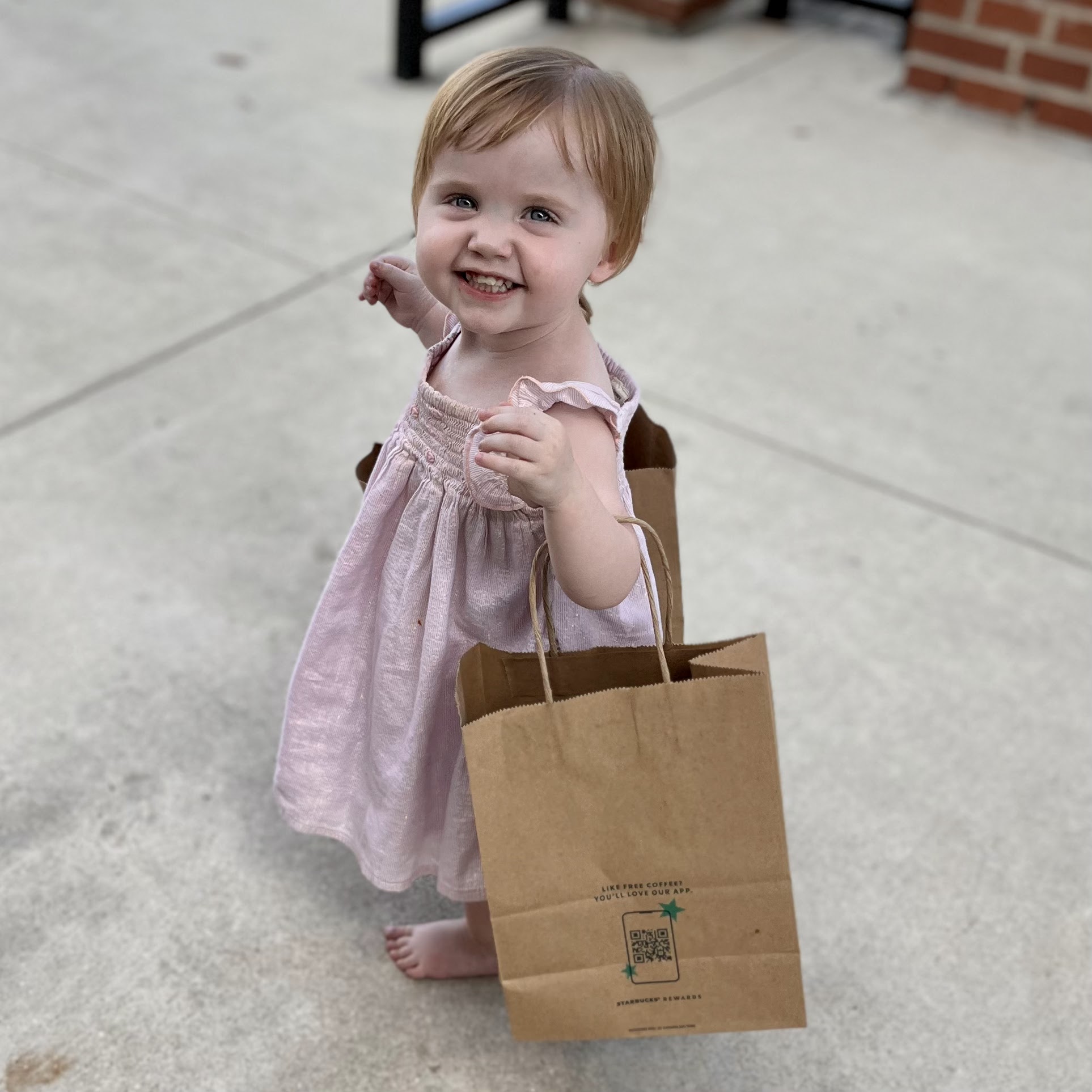
As the years passed, life slowly became less about surviving each day and more about helping Maddy experience childhood.
She learned to walk.
She attended Saint Mark’s Preschool.
She spent countless hours in physical and occupational therapy, working hard to catch up on milestones that came much more easily to most children. Every new skill represented weeks or months of determination.
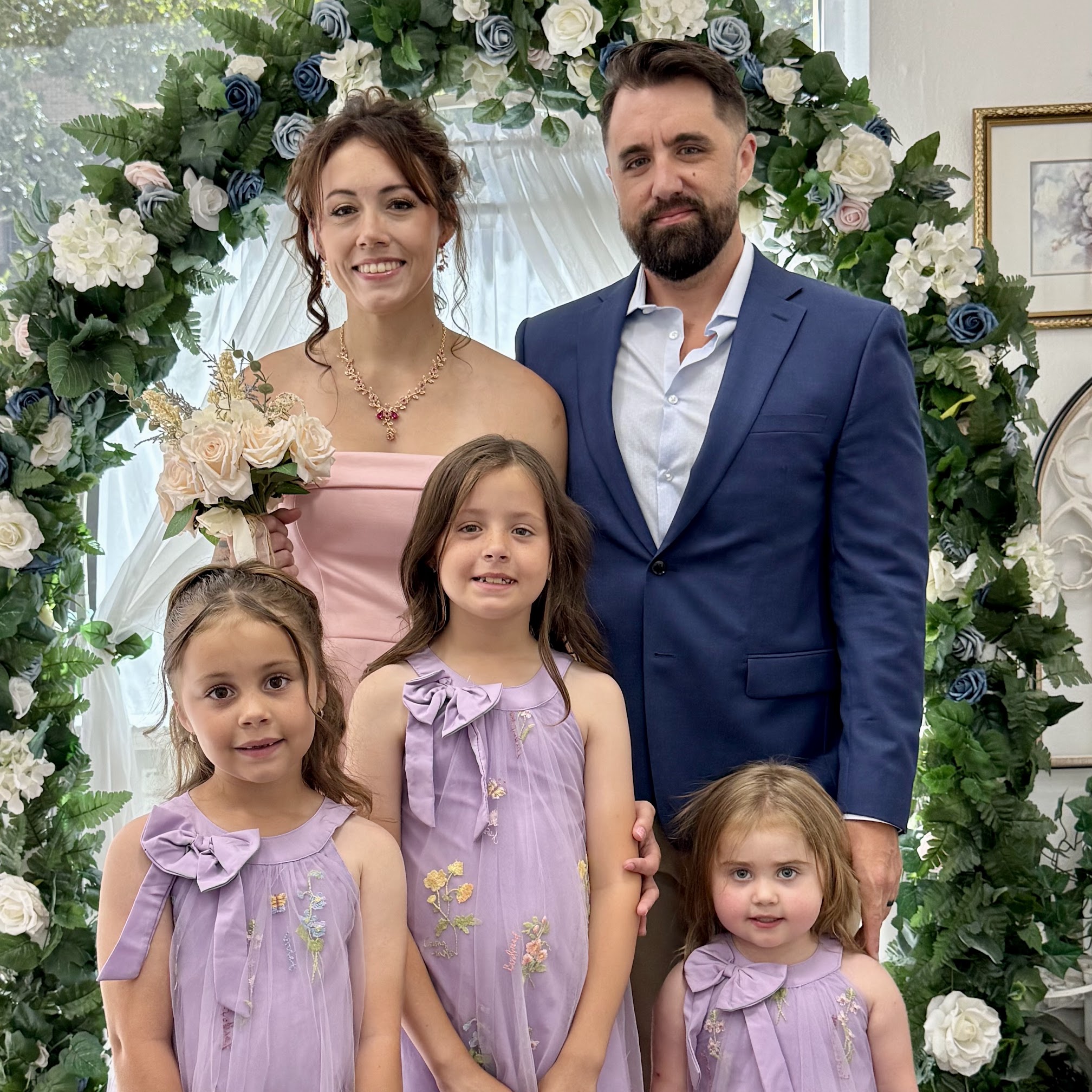
Her family made every effort to give her as normal a childhood as possible. There were trips to the park, vacations to Florida to visit family, birthdays, holidays, and ordinary afternoons that became treasured memories simply because they were ordinary.
Her heart condition was always present, but it was not the center of her world. She was simply a little girl learning, growing, and discovering life.
When Her Heart Began to Fail
As Maddy grew older, the heart that had carried her through infancy began to struggle.
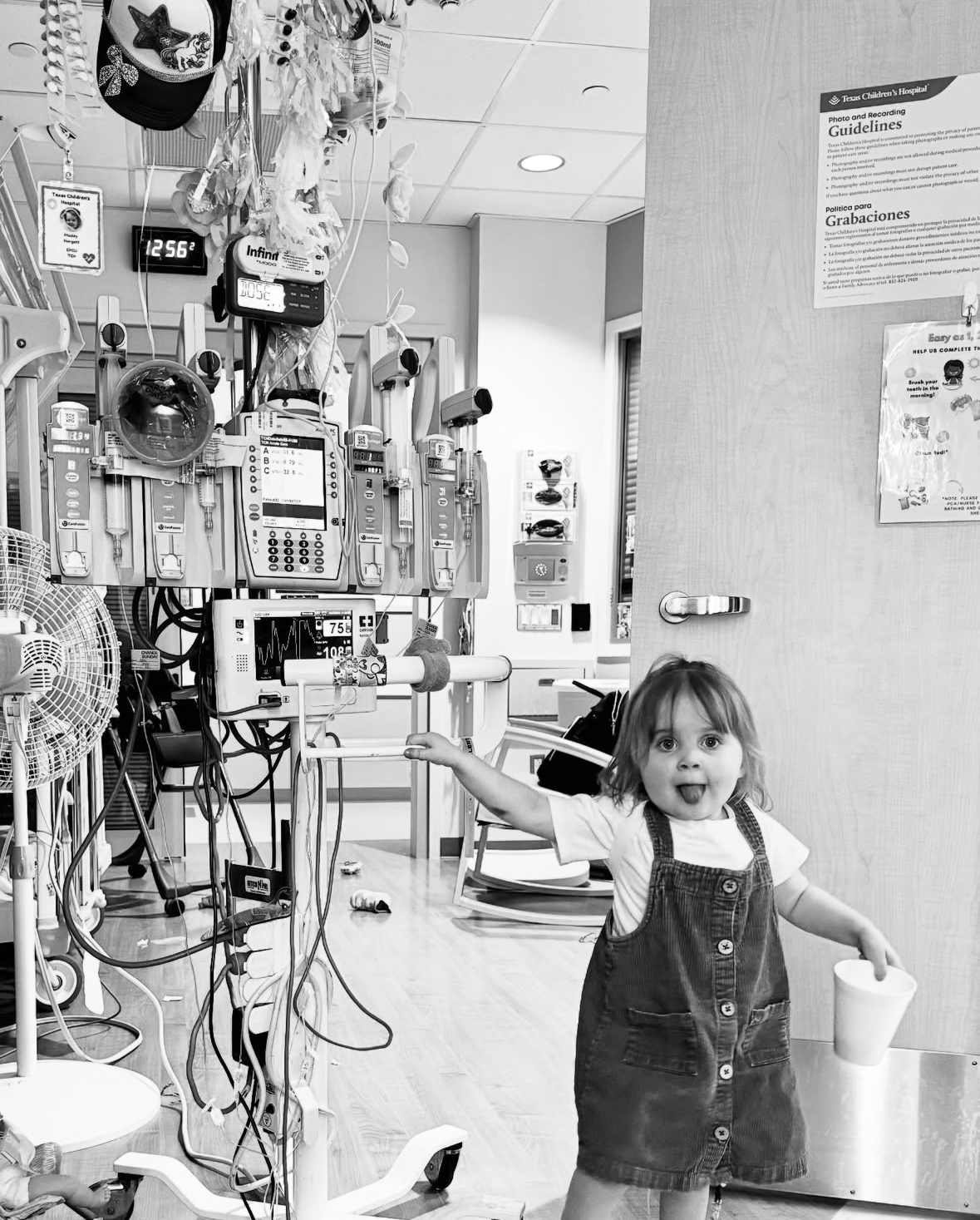
Eventually, her local medical team at CHRISTUS Children’s Hospital reached the point where her condition had become too complex to manage locally. She was transferred by medical flight to Texas Children’s Hospital in Houston, where one of the nation’s leading pediatric heart transplant programs would take over her care.
That transfer changed life for the entire family.
Home was in San Antonio. Maddy was now in Houston.
For more than a year, weekends were spent driving between the two cities. Every Friday meant packing bags, making the trip to Houston, spending precious time together, and eventually making the drive home to prepare for another work week. The miles accumulated into thousands, but the destination never changed. Wherever Maddy was became the place her family needed to be.
As her heart function declined, daily life became increasingly limited. The transplant team carefully monitored her while hoping a donor heart would become available before time ran out.
Waiting was one of the hardest parts.
Every phone call could change everything.
A New Heart
On June 9, 2025, that phone call finally came.
Maddy received a heart transplant at Texas Children’s Hospital.
Her family will forever be grateful to her donor and the donor’s family. In the middle of unimaginable grief, they made the selfless decision to give another child a chance to live. Their generosity gave Maddy another chapter that otherwise never would have existed.
The transplant marked more than a medical milestone. It marked the beginning of the year everyone truly got to meet Maddy.
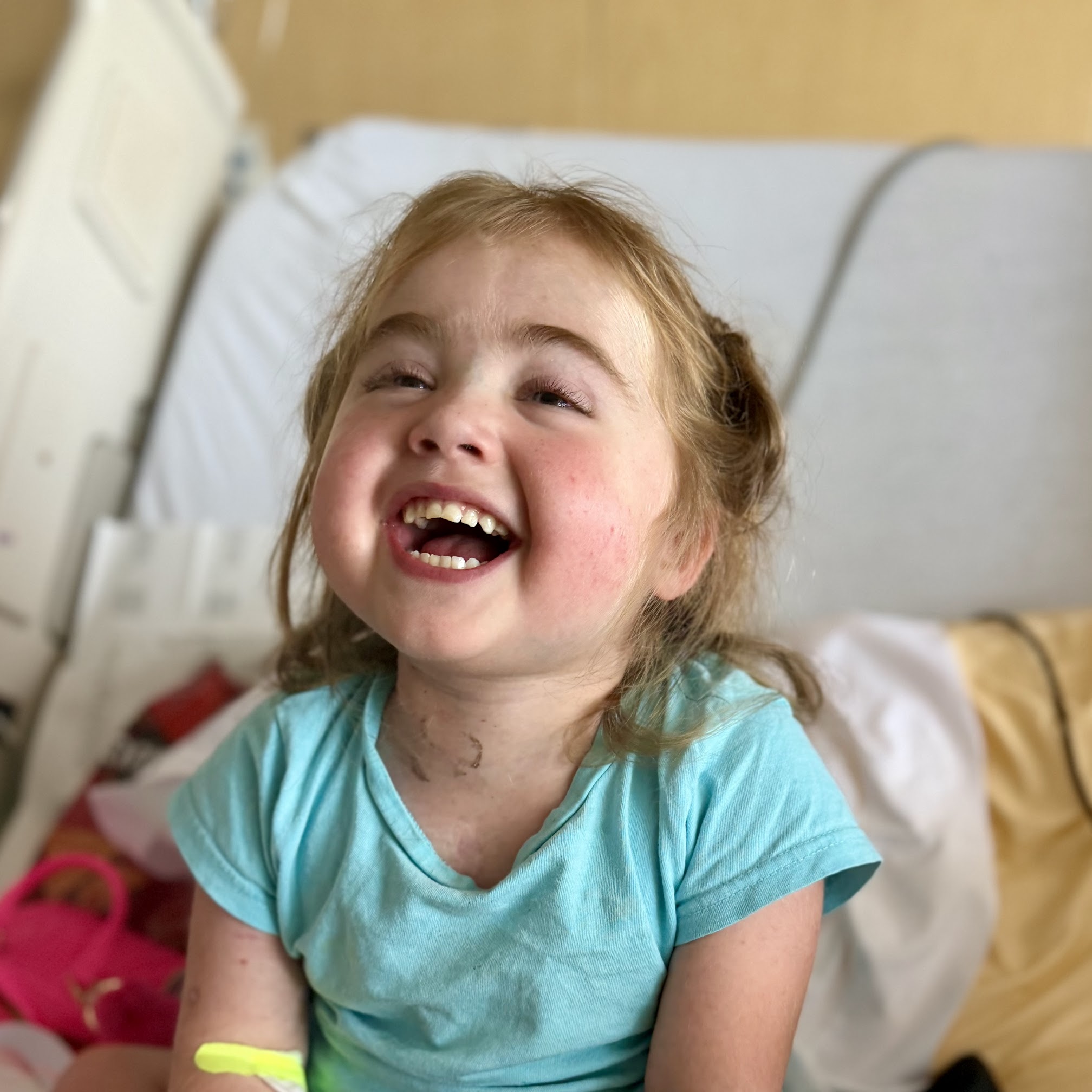
For the first time, she had enough energy to simply be a kid.
This was when her personality exploded.
She loved dancing around the house, especially if Benson Boone’s Beautiful Things was playing. She never quietly sang along. She shouted every lyric at the top of her lungs with complete confidence.
Her favorite television shows were Sam & Cat and Henry Danger. Captain Man and Kid Danger were on the television so often that everyone in the house knew the episodes by heart.
She developed sayings that instantly became part of family life.
Whenever she thought her mom was being unfair, she would dramatically announce, “Mom, how dare you!”
Whenever something surprised her, she would laugh and ask, “What the broski?”
She loved dressing up and putting on makeup, and pretending to be older than she was. She loved going to the gym with her mom and working out together. She didn’t care that she was little. She wanted to be big and strong too.
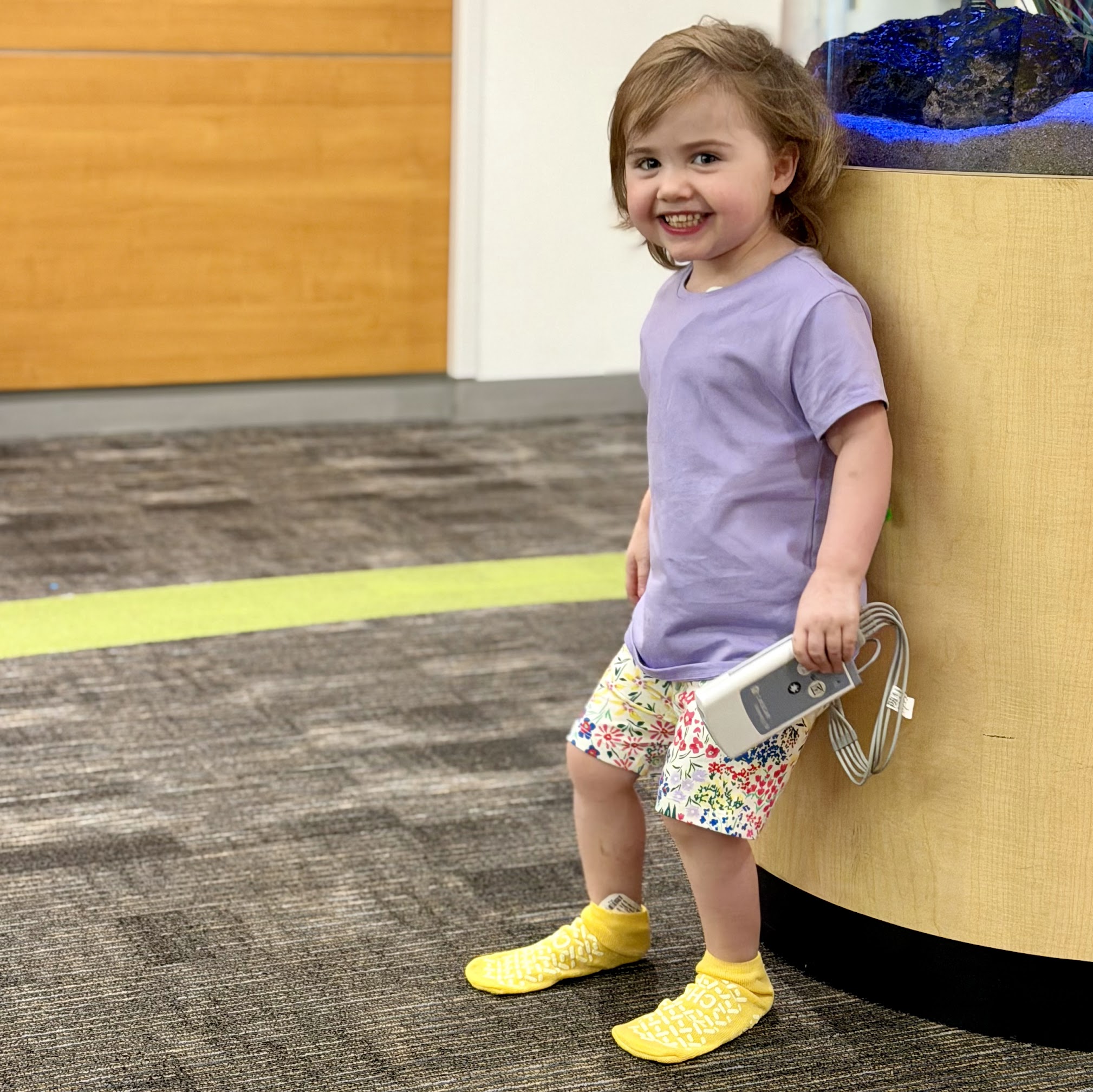
She loved taking walks. At home, she wanted to walk through the neighborhood. In Houston, she wanted to walk the halls of Texas Children’s Hospital.
Legacy Tower CPCU became her second home. She proudly called it “my hospital.”
The nurses, physicians, therapists, child life specialists, and countless other staff members watched her grow up. They celebrated her victories, comforted her during setbacks, and laughed with her every time she marched through the hallway waving at everyone she passed. Maddy never seemed to meet a stranger. If someone made eye contact, they were almost guaranteed to receive a smile and a wave.
She adored her Great Pyrenees, Houston, who was always happy to have his little girl home. She couldn’t wait to start school.
She fought with her sisters constantly, just as sisters do. The arguments rarely lasted long before everyone was laughing again.
This was the Maddy everyone fell in love with. She wasn’t simply surviving anymore. She was living.
The Battle No One Wanted
A heart transplant is not a cure.
It is another beginning.
Over time, Maddy’s immune system began attacking her donor heart despite aggressive treatment. She underwent repeated heart catheterizations, biopsies, antibody treatments, medication changes, and hospital admissions as her physicians pursued every available option.
For a long time, each setback was followed by another reason to hope. Then, gradually, those recoveries became shorter.
Her heart developed worsening rejection, rhythm disturbances, valve problems, and heart failure. Medications like milrinone helped temporarily, but each time they became less effective.
Her medical team never stopped fighting for her. Neither did her family.
Eventually, however, they reached the heartbreaking conclusion that the damage to her transplanted heart could not be reversed.
Home
After exhausting every reasonable treatment, Maddy’s family made the most difficult decision of their lives.
Instead of continuing therapies that could no longer heal her heart, they chose to spend whatever time remained focused on comfort, love, and home.
It was not a decision to stop fighting. It was a decision to spend Maddy’s remaining days surrounded by the people, places, and things she loved most.
Home. Walks through the neighborhood. Music playing loudly enough that she could sing every word. Houston lying nearby. Laughing with her sisters. Watching Sam & Cat and Henry Danger one more time. Making memories instead of hospital plans.
Her Legacy
It would be easy to define Maddy by her diagnosis.
That would also be the least accurate way to describe her.
She was far more than a child with HLHS.
She was funny.
She was stubborn.
She was fearless.
She loved to dance.
She loved to laugh.
She loved waving at strangers.
She loved her family.
She loved her dog.
She loved her hospital because of the people inside it.
Most of all, she loved life.
Maddy taught everyone around her that courage is not always loud. Sometimes courage looks like a little girl taking another walk down a hospital hallway. Sometimes it sounds like singing “Beautiful Things” at the top of her lungs. Sometimes it is telling your mom, with complete confidence, “Mom, how dare you!”
Her life was never defined by how much time she had.
It was defined by how completely she filled that time with joy.
That is how her family will always remember her.
That is how they hope the world will remember her, too.